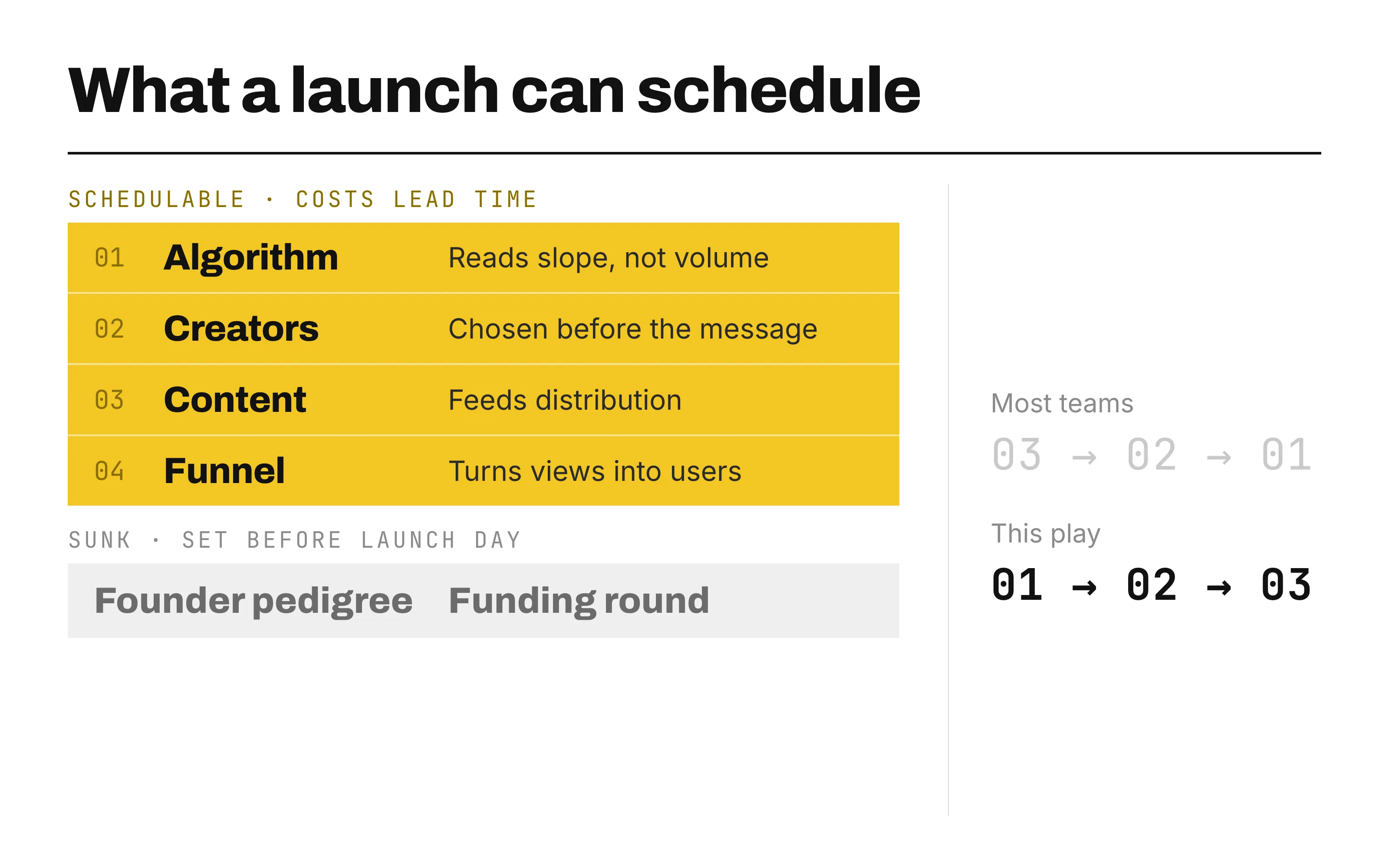
 Fig. 01 · What a launch can schedule
Most of a launch is schedulable, and the rest is already sunk
A launch that takes over X is mostly the output of a schedule — who posts, in what order, inside which hour — and a schedule costs lead time rather than money.
Jev is a good launch to take apart, because their model wasn’t the story to me. Constrained sampling and fast routing have been discussed and used in open source for a while, so whatever Jev is, it isn’t a zero-to-one invention.
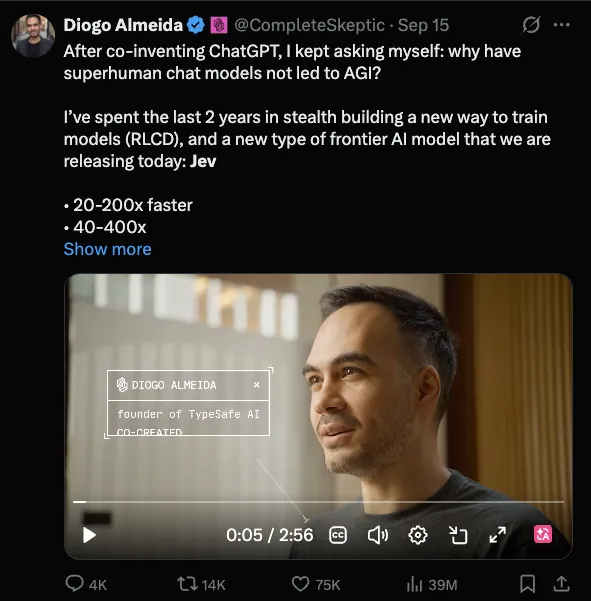
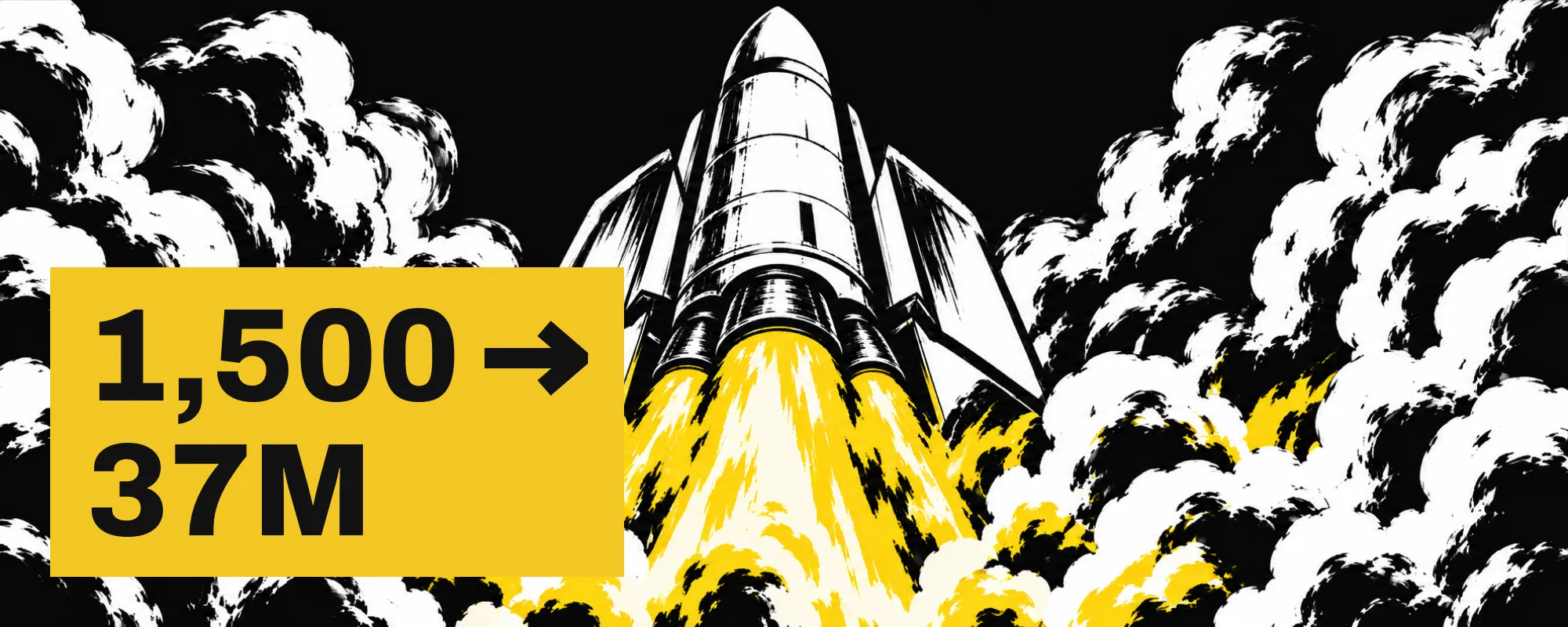
Its launch post still went from an account with 1,500 followers to 37 million views in two days, and nearly every step of that climb had an action behind it that someone had put on a calendar.
The algorithm reads slope, not volume
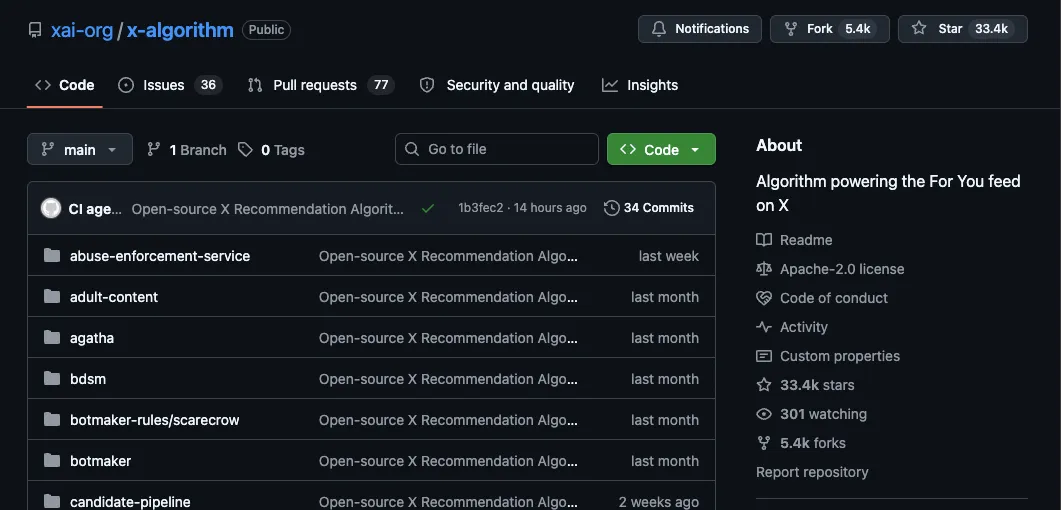
X’s recommender weighs a post’s first 24 hours most heavily, especially engagement and the second-order signals around it, like the author replying to replies. I’ve read through the ranking code, and the rule is blunt: a post that climbs fast inside that window gets pushed to people who don’t follow you.
So eighty influencers posting at random over a month add up to a flat line, while the same eighty posts inside one hour, or even one day, make a steep one. The steep line gets the For You page, and the For You page gets you the second and third waves of organic sharing.
Choose the creators / influencers before you write the launch message
The creators produce the early spike, so choosing them comes before writing the launch message. Doomers, the agency that ran this launch, spent most of the two weeks beforehand choosing creators and writing a brief for each one.
You don’t need the biggest accounts. Doomers’ report on AI launches sorts launch posts by the posting account’s follower count, and reach peaks well before the top:
- 10K–100K followers: median 486,000 views
- 100K–1M followers: median 1.2 million
- 1M+ followers: median 103,000 (only 35 launches, so read it as a direction)
The report’s explanation is the baseline. The ranker grades a post on early engagement against the account’s own history, and a big following raises that bar. The data covers the accounts doing the launching, not hired creators, but the same mechanism might well apply when you pick them. Paying for the biggest reach might mean paying for a handicap, a lesson I paid for.
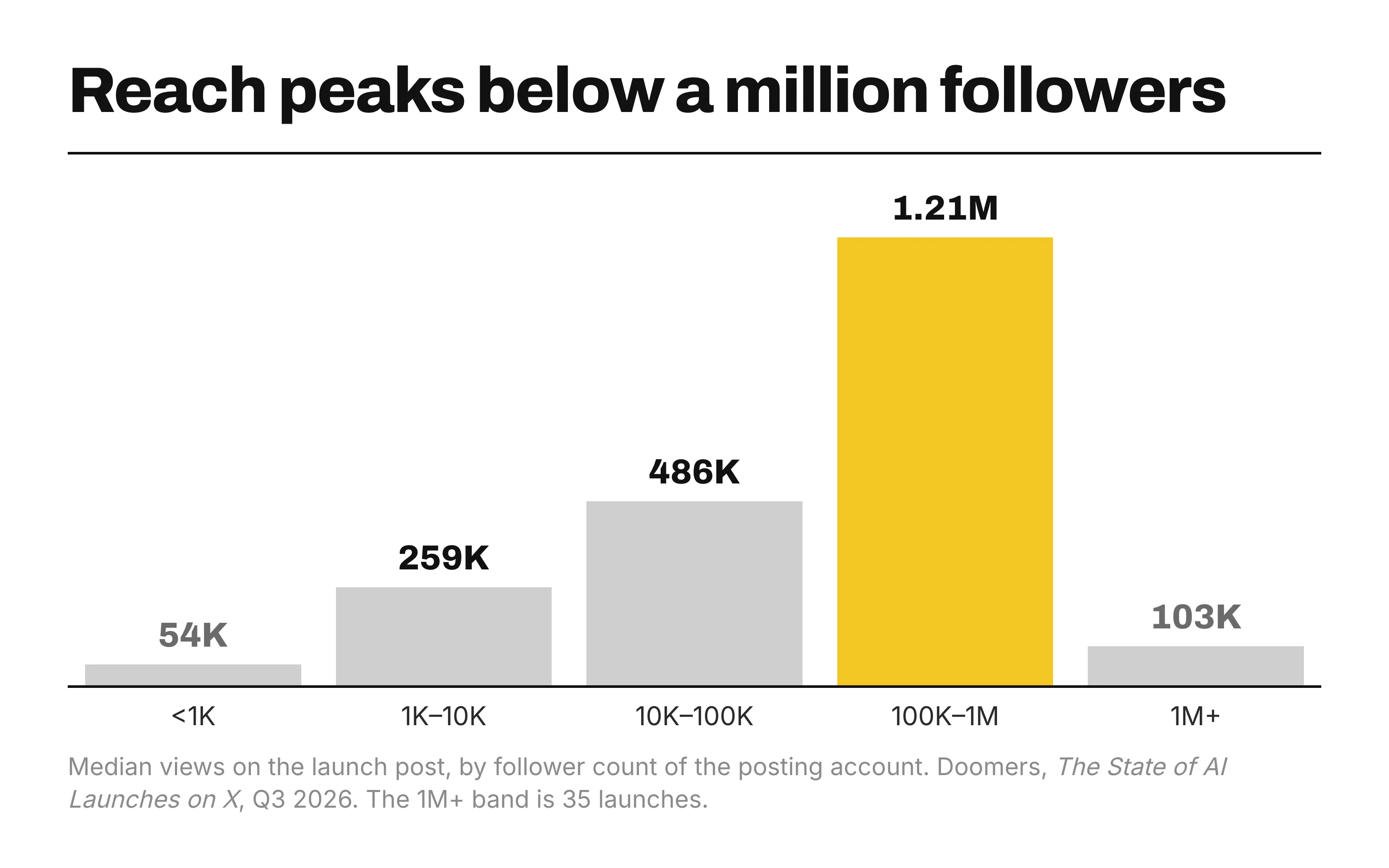 Fig. 02 · Reach peaks below a million followers
So pick on two things instead of follower count:
- Median views per post. One lucky hit inflates an average. The median shows an ordinary day.
- Audience overlap with your ICP. Reach that can’t buy is wasted.
Each creator then gets a creative brief, an angle and the context behind it, rather than scripted copy. Five accounts posting the same paragraph get read as sponsored within seconds, and the replies that follow tell the ranker to bury it.
Content comes third, but it still sets how far the post travels
Content sits behind the algorithm and the creators. Those two bring the first wave of traffic, and the post decides whether that wave keeps going.
The launch post did four things:
- It came from the founder’s account. The company account was a cold start with about 200 followers and no trust behind it. The founder’s account carried a real, checkable person, and he spent launch day replying in the comments, which is exactly the second-order engagement the ranker weighs.
- It lowered the cost of understanding first. After two years in stealth nobody knew the company, so the first line led with the title: ex-OpenAI, co-inventor of ChatGPT. That’s the top of the funnel. Miss it and nobody reads the second sentence.
- It positioned Jev against the LLMs. The post borrowed Kahneman’s System 1 and System 2: today’s LLMs are slow, expensive System 2, and Jev is fast, cheap System 1, 20 to 200 times faster at a fraction of the price. Standing at the opposite pole builds in conflict. Doomers’ guide on launch costs puts it plainly: “A launch with no arguable claim spends its whole budget getting people to see something they have no reason to respond to.”
- It used every LLM as the rival anchor. Readers already know what an LLM does, so defining Jev as its opposite told them at once what Jev does and doesn’t do. Easy to grasp plus a fight to pick is what gets people curious, commenting fast and trying it.
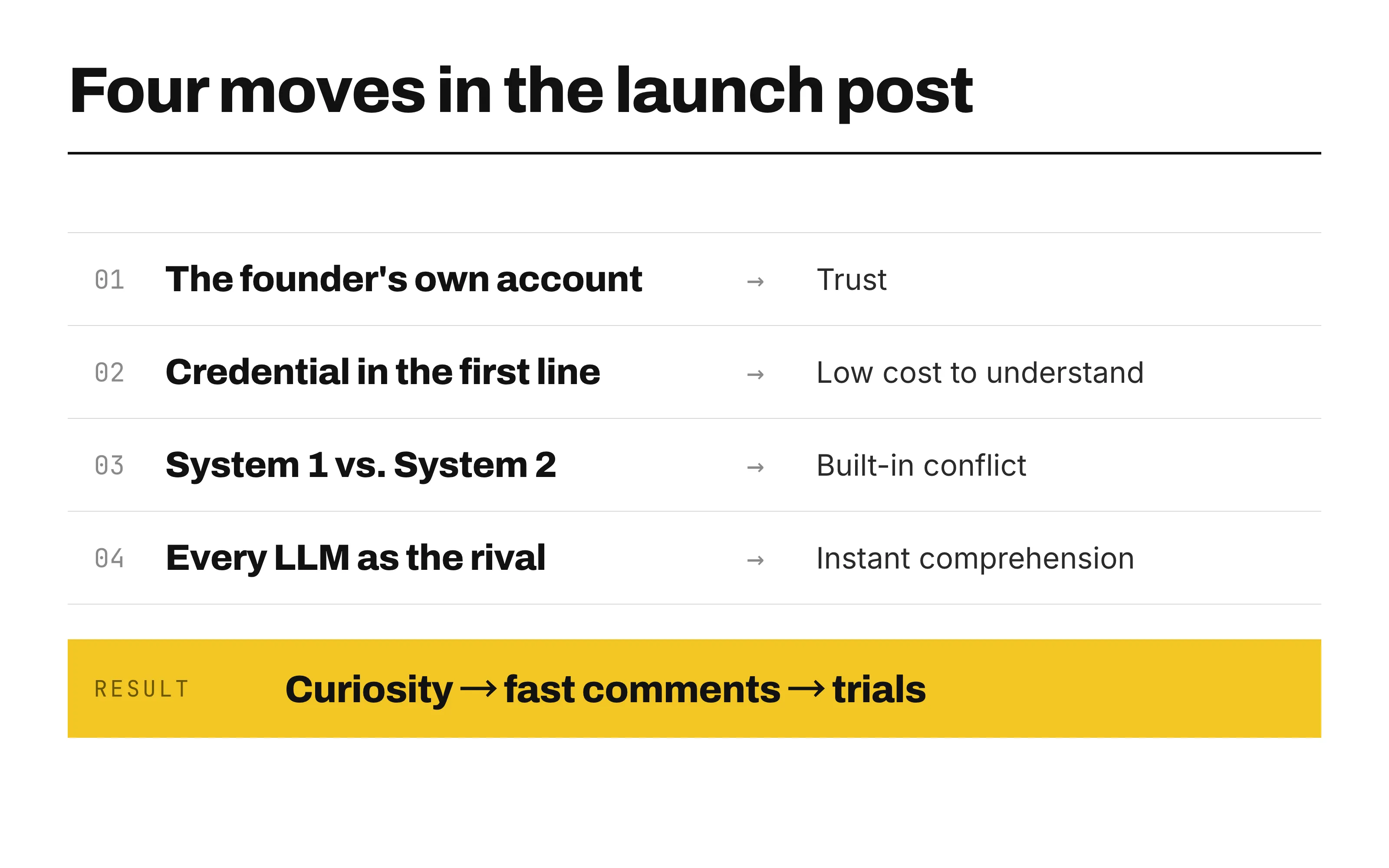 Fig. 03 · Four moves in the launch post
The video broke the usual rule too. Launch videos default to 20 or 30 seconds, but the ranker counts total watch time, not just completion rate, and videos over two minutes did a median of 405,000 views against 200,000 for clips under thirty seconds. That only works if you have two or three minutes of real content, rather than length for its own sake.
Together, these pushed the post’s weight up in the ranker.
Views only matter if the funnel converts them
A schedule buys views, and the funnel decides how many of them become users. Jev’s was built before launch day:
- Targeted traffic. Creators were picked for audience overlap with the developers Jev needed, so the people arriving could actually buy.
- A curiosity hook. A claim that sounded wrong, plus demos like a Doom run, made engineers want to check it themselves.
- Instant access. Curiosity decays in hours. The waitlist took 150,000+ signups in a day, a large batch got in the next day, and the model went live on Vercel’s AI Gateway and OpenRouter so anyone still waiting could call it.
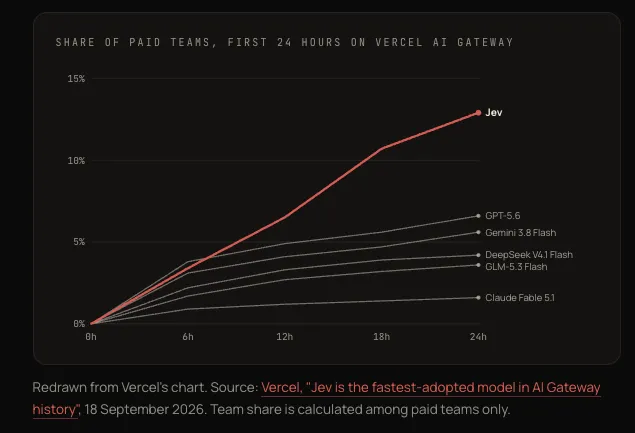
Vercel then reported that close to 13% of paid teams on its gateway were using Jev within 24 hours, twice the first-day share of the leading model at the time. Viral reach without conversion is a screenshot.
Two things you cannot buy
Both were settled before launch day:
- Founder pedigree. Co-inventing ChatGPT has no substitute. No launch process makes up for not having it.
- A funding round. The $40 million round, led by DCVC, landed the same day. Investors and the press post it to advertise their own track record, so it brings its own distribution, about 1.5 times a plain product launch by Doomers’ count.
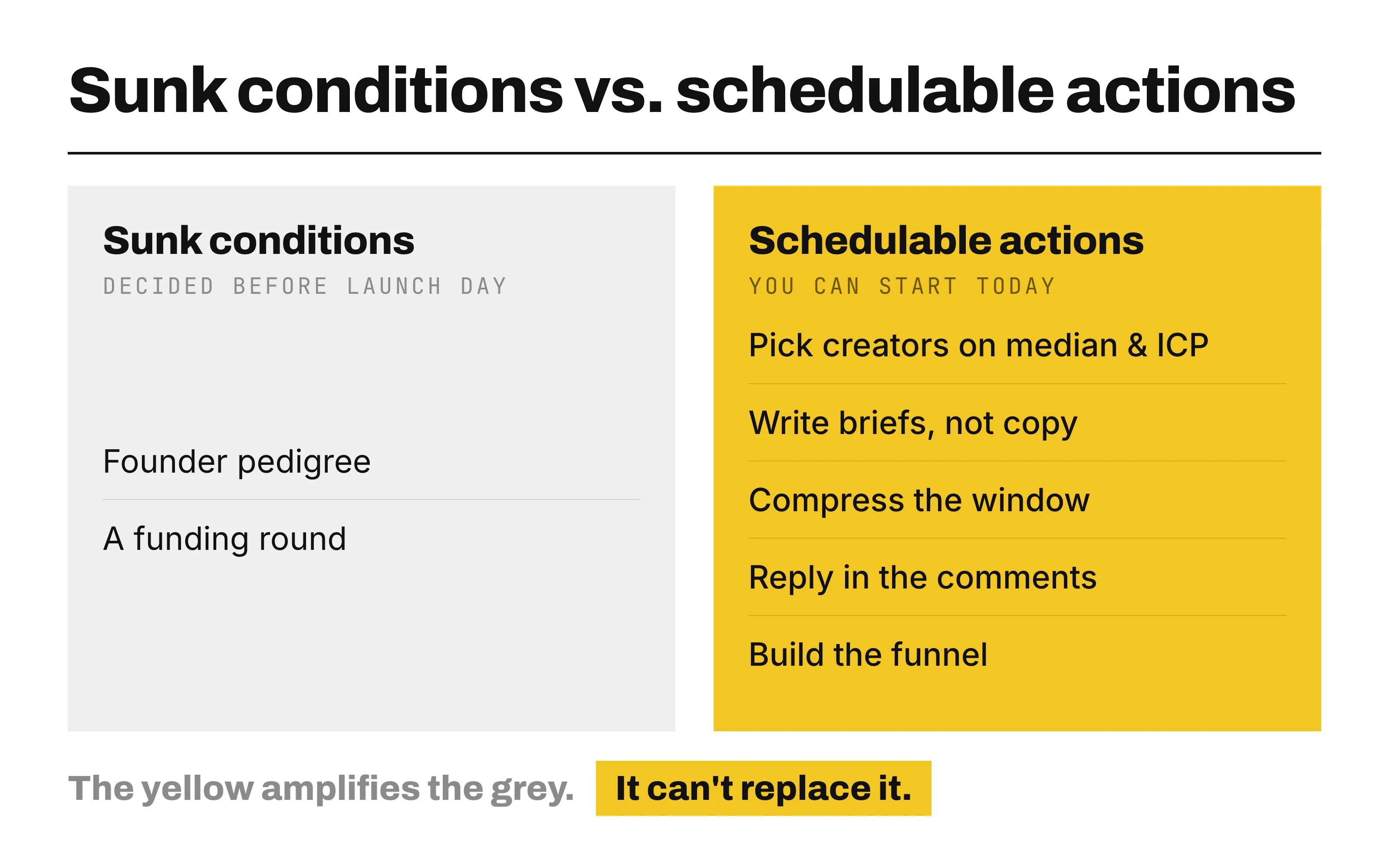 Fig. 04 · Sunk conditions vs. schedulable actions
The schedule amplified both:
- The pedigree made the launch post’s first line work.
- The round put investor and press accounts alongside the creator roster, with no one recruiting them.
A schedule can make a launch as loud as its sunk conditions allow, and my guess is that it can’t make it any louder.
Sources
- Doomers, The State of AI Launches on X, Q3 2026
- Doomers, TypeSafe AI case study
- Doomers, What a product launch on X actually costs
- TypeSafe AI, the launch post on X
- Vercel, Jev on AI Gateway
- TypeSafe AI, $40M funding announcement
- X, open-source recommendation algorithm